

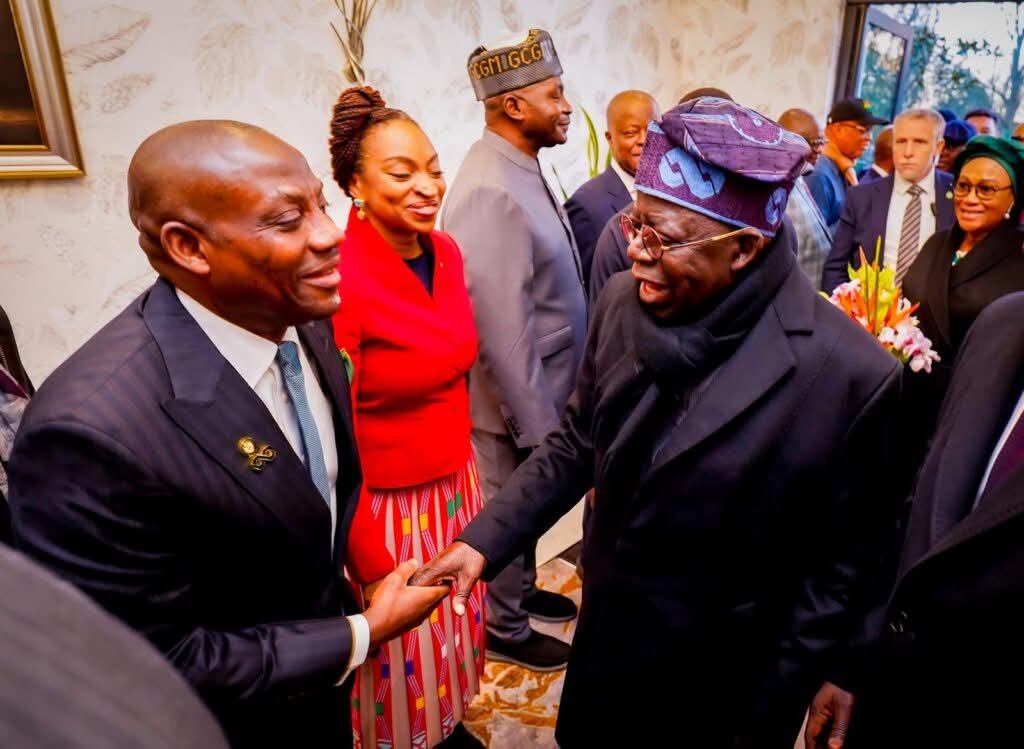
Nigeria’s Minister of Education, Maruf Alausa, has arrived in London alongside top government officials to welcome President Bola Tinubu ahead of a series of high-level engagements focused on education and skills development.
The visit, which comes before the President’s official meetings in the United Kingdom, is expected to centre on building strong international partnerships that will improve Nigeria’s education system, especially in Technical and Vocational Education and Training (TVET).
In a statement released on Wednesday, Alausa revealed that discussions in London would include plans to launch the second phase of Nigeria’s TVET reform programme. This phase will involve collaboration with global partners such as Big Win Philanthropy, as well as stakeholders in the creative and tourism industries.
According to the minister, the Federal Government is intensifying efforts to reposition technical education as a key driver of youth employment and economic growth. This move comes amid growing concerns about unemployment and the mismatch between graduates’ skills and labour market demands.
For years, Nigeria’s education system has faced criticism for being too theoretical, producing graduates who often lack practical, job-ready skills. With millions of young Nigerians either unemployed or underemployed, experts have repeatedly stressed the need for stronger investment in vocational training particularly in sectors like construction, manufacturing, ICT, and the creative economy.
As part of the London engagements, Alausa is also scheduled to meet with officials of the University of Birmingham to deepen its existing partnership with the University of Lagos. The collaboration is expected to boost research development, faculty exchange, and institutional capacity.
In a related move, talks will also be held with Coventry University over plans to establish a full campus in Nigeria. If successful, the initiative could significantly expand access to globally competitive higher education within the country.
These efforts align with the government’s broader strategy to internationalise Nigeria’s education sector, attract foreign investment, and reduce the growing trend of students seeking education abroad.
Nigeria currently loses billions of naira each year to foreign education, as many students pursue studies in countries like the United Kingdom and Canada. Stakeholders believe that bringing international institutions into Nigeria could help reverse this trend while strengthening local capacity.
President Tinubu’s visit is also expected to advance Nigeria’s economic diplomacy, with a focus on deepening bilateral relations with the UK and attracting investment across key sectors.
Officials say outcomes from the London meetings could play a major role in shaping the next phase of reforms in Nigeria’s education system particularly in technical training, global partnerships, and infrastructure development.
Alausa expressed confidence that the engagements would produce meaningful results, stressing that strong international collaboration remains essential to achieving Nigeria’s long-term development goals.
Популярний український журнал Різні публікує різноманітний контент: культура, стиль, суспільство та лайфстайл. Дізнавайтеся більше і знаходьте нові ідеї щодня
Журнал станкоинструмент https://www.stankoinstrument.su технологии, станки, инструменты и развитие промышленности. Полезные статьи, интервью и экспертные мнения
Reformas, viajes o emergencias? ObtГ©n dinero con prestamos de forma sencilla.
Нужен эвакуатор? эвакуатор услуги эвакуации солнечногорск быстрая помощь на дороге 24/7. Перевозка автомобилей любой сложности, доступные цены и оперативный выезд по городу и области
Сломалась машина? эвакуатор химки дешево найти поблизости недорого круглосуточная работа, быстрый приезд и аккуратная транспортировка авто. Помощь при ДТП, поломках и срочных ситуациях